HomeWorkshopsRegistrationTestimonialsNewsletters
 
DVworkshops Newsletter  
ATTENTION readers in LOS ANGELES. We are thinking of Teaching a 2-Day DVcamera & Lighting Bootcampin Los Angeles March 3 & 4. Is there an Interest? Please email us by REPLYING to this email if you would like to attend this workshop ..cost $295

Ranen will be screening his Newest Documentaries on Wednesday March 7 in Venice , California. Please feel free to come by, admission is free, and it received "Pick-of-the-week" from Los Angles Magazine. Here is link with address and info.

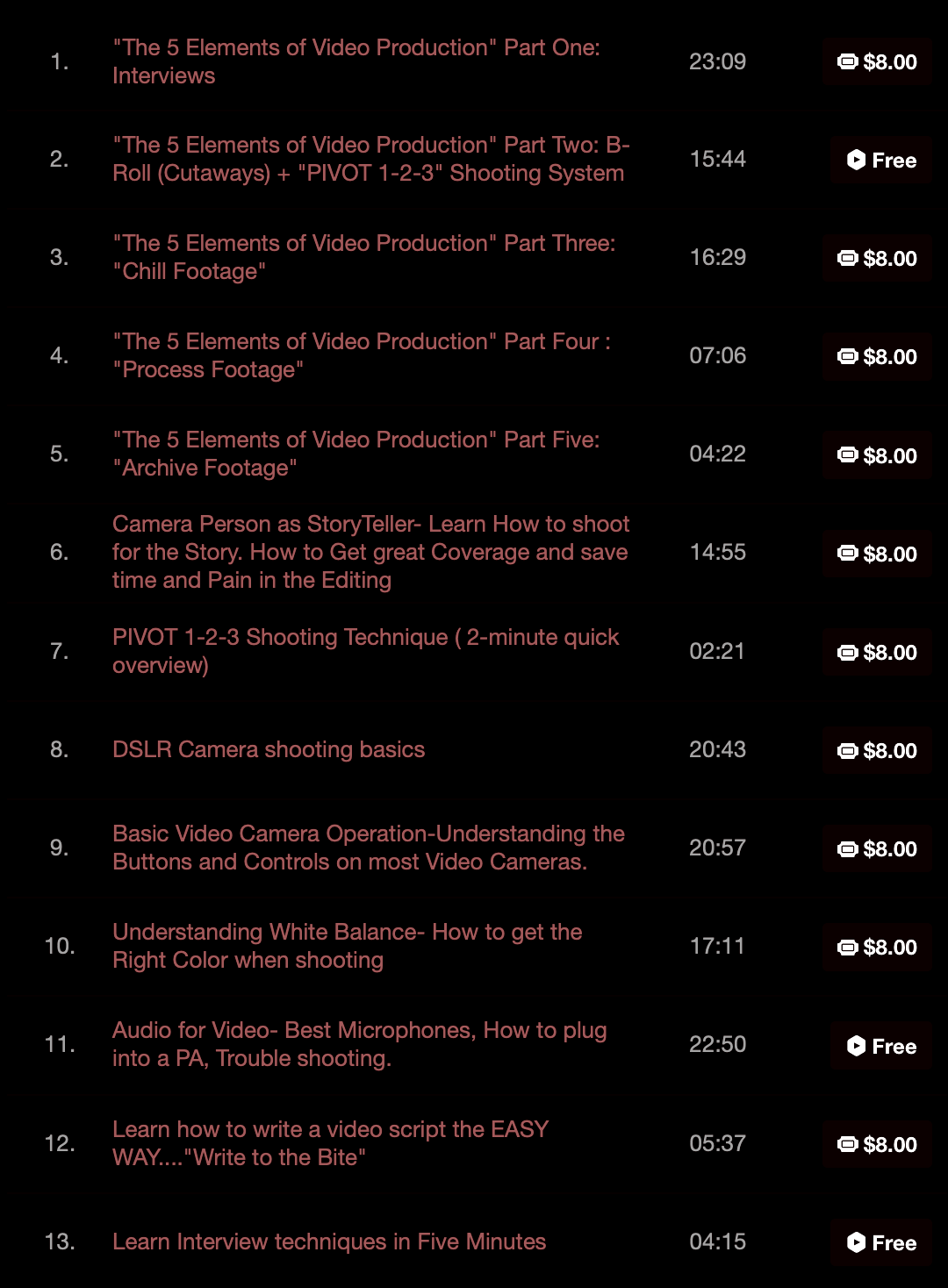
Here is updated information on the Five Elements of documentary production. These are helpful guides in trying to capture documentary footage.....Link to our website at DVworkshops in San Francisco, California

in this issue
  • The Five elements of Documentary
  • 1) Interviews
  • 2) Cutaways
  • 3) "Chill Footage"
  • Process Footage
  • 5) Archive
  • Summary

  •  
    1) Interviews

    Frame the person using negative space, have them fill roughly 1/3 of the screen, on the left or right side. Make sure their "Gaze" is into the Negative space.

    Leave room behind the subject, never interview someone right in front of a wall. Leave 4-15 feet between the subject and the wall, you will notice the person's shadow disappear from the wall. Watch out for reflections in people's glasses ,turn them away from facing the window to solve the problem.

    The Background influences the way the person is perceived. When I walk in to shoot an interview, the first thing I do is look for a background that will reveal something about my subject. Build your questions from people's answers. repeat their last few words, ask "open ended questions" ( ones that can not be answered with a "Yes" or "No". For example, "Can you describe?", or "tell me about this...".


    2) Cutaways

    Cutaways: These are "Stand-alone" shots, similar to still photography.

    Shoot tons of Cutaways, and you life will be easier in the editing room.. Cutaways can be store signs, close ups of ashtrays, a clock on the wall, people's faces, a candle, a shot of a highway. I always get shots of the exteriors of every place I film, and some neighborhood shots. I try and treat my cutaways like still photographs. This is the time you can squeeze some visual poetry out of documentary. Always keep your eyes open for little "shots" that evoke something about the truth of the situation you are filming. Hold your shots still..don't move the camera....you will make it "move" in the editing process by cutting many of these together. Record 8-12 seconds for each shot.

    There are three basic types of Cutaways that I suggest you always search for.

    1. Story Telling Shots- Images of "Welcome to " signs, exterior shots of houses where interviews were filmed, Images of your character entering and leaving a building, Wide shots of Cities or towns from ontop of a hill or large building. These will allow you to tell your story with out always having to use a narrator ..That's why I call them story telling Cutaways.
    2. Emotional Cutaways- Since film has the unique ability to make people feel...the way to construct emotional sequences is to first film shots that have emotional content built into them. For example a solitary man sitting on a park bench...two people walking hand in hand...A close up of a hand while they are praying...shot of a candle ....incense burning...people hugging...
    3. General Coverage- These are very important..if you are filming a race car contest...you had better get shots of people watching the race...cheering...the hot dog stand...people lined up to get in...Ushers tearing ticket stubs at the entrance (close-ups)...people cooking out in the middle of the raceway...a close op of flags, loudspeakers and race track signage. You will need all of these....get lot's of general coverage shots or you will be sorry.
    4. GET CLOSE UPS- The theory of film editing includes the definition of what makes a good edit (Visual not content). Theory is that you can not edit together two wide shots filmed from the same angle, same for medium shots...you need to insert a couple of Close ups between these shots in order not to make the edit appear as a "Jump Cut"...of course people break this rule ( French filmmaker Goodard), but I highly recommend covering yourself by filming lots of Close ups.


    3) "Chill Footage"

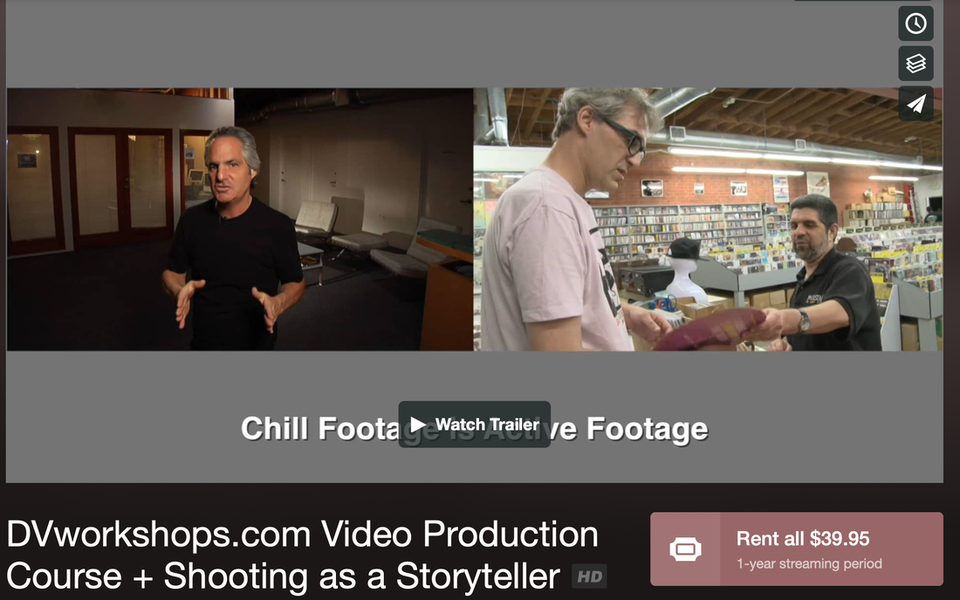
    Chill Footage: (otherwise known as Cinema verite or Live Action) This is the only video school that teaches the theory of "Chill Footage". It is the hardest thing to do..just sit back and "Chill" and film what ever is going on with your subjects. DO NOT TALK or interact with them...do not be impatient...the moment will come when your characteer reveals him or herself on film, and you will rolling when it occurs. If you are psychic, you can predict when this moment is going to happen, and save money on tape...Don't worry..."The moment" will happen, you just gotta keep shooting. tell your subjects to "Pretend I am not here".

    There are three basic elements of Character, and Cinema Verite (Chill footage's real name) is helpful in revealing the EMOTIONAL part of your character. You see it in the way they try and get what they want from those around them...it is called the MODE/NEED.


    Process Footage

    Process Footage: This is when you film the making of your documentary. Think of it like combing the Behind The Scenes footage of your film with the Documentary itself.You can be on-camera ( like the guy in Super Size Me or Michael Moore)...perhaps we just hear your off-screen voice, with a glimpse of you thru- out the film. If you need shots of you on location, give the camera to a "civilian" for a few minutes .

    Nick Broomfield is a documentary filmmaker that uses a lot of Process footage. Rent Hedi Fliess, Hollywood Madam, or his best , but hard to find documentary "The Leader, his Driver, and his Wife". Werner Herzog also makes great films in this style, "Little Dieter needs to fly" is worth renting to see how his style is differnet from Michael Moore's. A great example of Process footage "The Gleamers and I"..by Agnes Varda,,(pictured above) she is an awesome filmmaker. Film the Making of your film, shoot when you are walking up to someone's door (for real, don't fake it). Film The Process.


    5) Archive
    . Government agencies have free footage Click here to read our past newsletter about Archive Sources and Links

    Always ask people you are filming for photographs and old video of them etc....Scanning is the best way to import them into a digital editing system, but you can get a shot with your DV and HDV camera that can later be made into a still frame, and panned and zoomed through (aka Ken Burns style). Also if you are making a film about a controversial subject, try contacting local news stations to see if they have any old news stories that you can use.

    The National Archives in College Park, Maryland is one of the world's best resources. I spent 3 days there gathering footage for my NASA documentary,and Found valuable Footage shot by the Nazis that I later used in my film.


    Summary
    Five Elements of Documentary are: Interviews... Cutaways... Chill Footage... Process Footage... Archive... and you should also be thinking about Music and graphics for your edit. Keep these in your mind, then you will have focus and meaning in your documentary filmmaking approach.

     
    Final Cut Pro HD DVD $49.95 2 DVD set
    This is the perfect way to get into Final Cut Pro editing. Just watch this fun,and easy to follow 2-set DVD. Chapters include, Basic set-up and trouble shooting, Editing, the Trim Window, Text and Image + wire frame and more. Instructor is award winning director and editor Aron Ranen. He is also an instructor at the International Film and Video Workshops in Rockport, Maine, the SF Film Arts Foundation and SF DVworkshops.
    $49.95 USD

    Please Click here to view sample Video clips from this Training DVD


    The Five elements of Documentary
     
    While making your Documentary, get CLOSE-UPS, you will need them! Here are Five Elements of Documentary that every director can use as a guide.: 1) Interviews. 2) Cutaways 3) Chill Footage. 4) Process Footage. 5) Archive material. Of course you should always think about music and Graphics.

    Link to DVworkshops Calendar

    Upcoming Workshops

    2-Day DV Camera & Lighting Bootcamp ..March 10-11

    4-Day DV Crash Course March 17-20


    Join our mailing list!
    phone: 410-810-5934


    HomeAbout UsServicesProductsOrderSupportContact